Ask three homeowners in Johnson County how long a new roof should last, and you’ll hear three different answers, each with a story attached. One neighbor’s three-tab shingles curled after a decade. Another family’s composite shingles are 22 years old and still pass inspection. A third had hail dents after one season and wrestled with insurance for months. The honest answer sits at the intersection of material, installation, weather, and care. If you’re weighing roof replacement Johnson County choices or comparing roofers Johnson County offers, understanding lifespan isn’t a guess, it’s about aligning expectations with local realities.
What lifespan means in practice
Roof life is usually framed in round numbers: 15 years, 30 years, 50 years. These are useful for budgeting, but they hide nuance. Manufacturers provide warranty periods that assume ideal ventilation, professional installation, and moderate weather. Johnson County’s climate has different plans. Between heat-index summers that bake shingles, freeze-thaw cycles that stress fasteners, and hail that can bruise or fracture materials, roofs here experience an accelerated version of “average conditions.” When we talk lifespan, it makes sense to think in ranges, and to separate cosmetic aging from functional aging. Granule loss makes a roof look tired. Missing seal strips make it leak.

A roof’s service life is the span of years where it sheds water reliably. A roof’s aesthetic life is how long it looks good from the curb. Most homeowners start planning a replacement when both clocks start running together: leaks become more likely, and the roof looks worn.
Materials on Johnson County homes and how they hold up
Walk any street from Olathe to Prairie Village, and you’ll see a mix of asphalt, composite, and some metal. A handful of tile and cedar roofs pop up in older neighborhoods. Each material brings a different lifespan profile.
Asphalt shingles remain the default. Three-tab shingles typically provide 12 to 18 years here, even if the brochure says 20 to 25. Dimensional or architectural shingles do better because of heavier mats and multiple layers. Around Johnson County, 18 to 28 years is common for mid-grade architectural shingles installed correctly, with the longer end going to homes with balanced ventilation and no major hail events. Premium impact-resistant shingles can stretch that range, especially if the impact rating is meaningful and not just marketing, though hail severity matters more than a lab rating.
Composite or synthetic shingles mimic slate or shake but weigh less. These products often quote 40 to 50 years. Real-world results locally trend shorter, more in the 25 to 35 year zone, mostly because UV exposure and temperature swings test resins, and sealants at flashings dictate the maintenance schedule more than the shingles themselves. The upside is strong wind resistance and better hail resilience than traditional asphalt, depending on the brand and profile.
Metal roofs, standing seam in particular, reward good installation with long life. Paint systems rated Kynar 500 generally hold color for decades. With periodic fastener checks and clean gutters, 40 to 60 years is achievable in our area. Lesser installations using exposed fasteners require more maintenance as fasteners back out over time, especially on steep pitches that see thermal expansion working harder.
Cedar shake can be beautiful, but it is high maintenance in a humid Midwest climate. Without consistent treatment, moss and rot creep in around year 10 to 15. Well-maintained cedar can push past 20 years, yet the maintenance burden is real, and insurance premiums sometimes reflect the risk.
Clay and concrete tile roofs are rare here due to structure requirements and cost. The tiles themselves can last half a century or more, but underlayment does the actual waterproofing. In our climate, underlayment and flashings often dictate a 25 to 30 year service interval before major work is needed, even if the tiles look fine.
Climate, storms, and why Johnson County is not “average”
A roof in coastal California and a roof in Shawnee wear differently. Here’s what the local environment does to roofs over time.
Summer heat bakes shingles. Daily highs in the 90s, and roof deck temperatures that exceed 140 degrees on dark surfaces, speed up asphalt aging. The oils in asphalt dry out, the shingle mats lose flexibility, and minor imperfections become cracks during cold snaps.
Freeze-thaw cycles pry apart seams. Water migrates into microscopic gaps, freezes, expands, and repeats. Flashings around chimneys and skylights feel this the most. That expansion subtly deforms metals and sealants, turning tight joints into capillary leak paths.
Wind and hail events are the wild card. A moderate thunderstorm might lift tabs along a ridge or break the seal strip on a north-facing slope. A hail event that looks minor from the ground can compress granules into the asphalt, fracture mats, and set up premature loss down the road. Roofers in Johnson County know that hail-aged roofs often look acceptable for a year or two, then degrade fast. Insurance adjusters look for bruising, granule displacement, and cracked mats, not just dents.
Airborne debris matters more than most people think. Maple helicopters, oak tassels, and cottonwood fluff can clog gutters overnight. Water that should shed quickly instead pools at the eaves, backs up under starter strips, and finds its way into fascia. If you want your roof to last, you need clean drainage pathways, especially in spring.
Installation quality counts more than material on marginal days
I’ve inspected 12-year-old architectural shingles with chronic leaks and 24-year-old three-tab roofs that still performed. The difference was installation detail. You can buy a top-tier shingle and lose years if the basics are skipped.
Fastener placement is not negotiable. Nails belong in the manufacturer’s nailing zone. Too high, and shingles blow off. Too low, and you penetrate the exposure area and create a leak. Six nails per shingle in high-wind zones adds security. If you see excessive nail heads at ridge caps, or lines of nails visible above courses, that roof is giving back years.
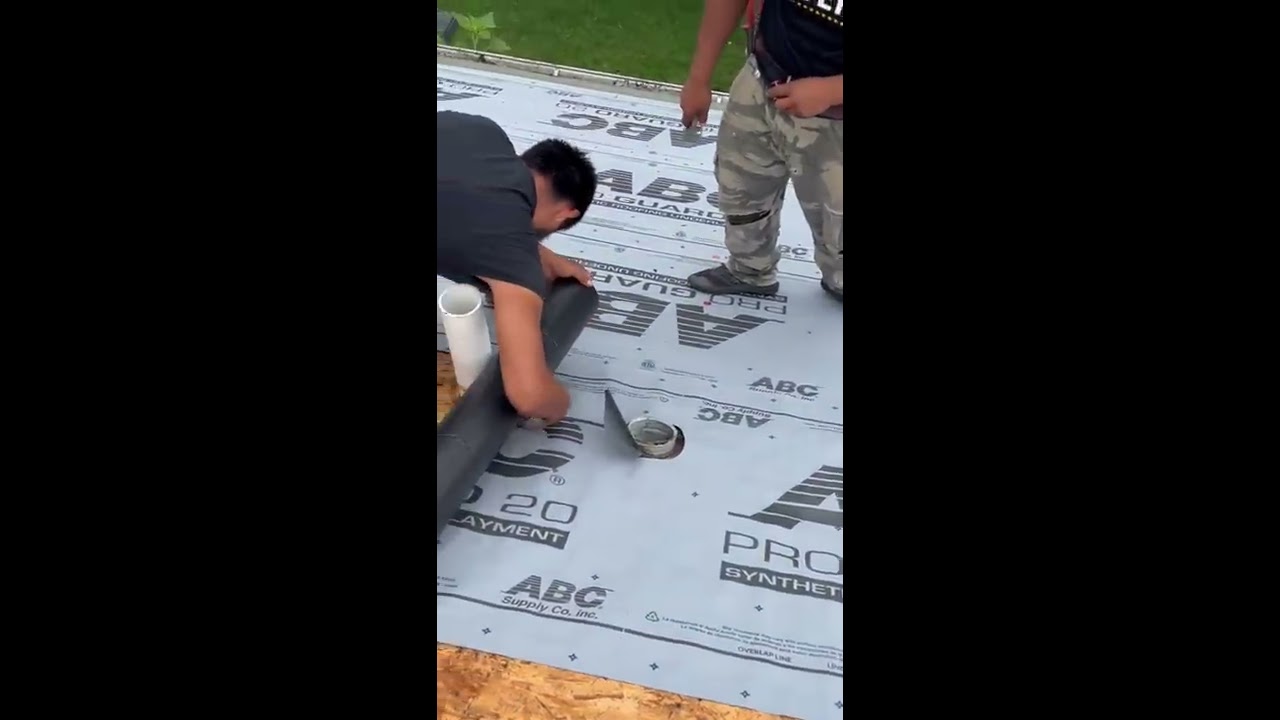
Underlayment choices matter. Synthetic underlayment resists tearing and UV better than felt when exposed during installation, and it holds shape under heat. Ice and water shield at eaves, valleys, and penetrations is cheap insurance in a county that sees ice dams after January thaws. Skipping it is one of those “we saved a few hundred dollars and paid later” decisions.
Ventilation is the silent partner in every long-lived roof. Intake at the soffits and exhaust at the ridge keeps attic temperatures more stable. You want balanced airflow, measured in net free vent area, ideally 1 square foot for every 300 square feet of attic with a proper vapor barrier. Too little ventilation cooks shingles from below and invites condensation that rots the deck. Too much exhaust with too little intake can pull conditioned air from the house and short-circuit the system.
Flashing is where most leaks start. Preformed step flashing, properly lapped and counterflashed at sidewalls, outperforms exposed caulk every time. Chimney saddles and crickets should be built where the chimney’s width warrants it, not “caulked and prayed.” For skylights, manufacturer-specific flashing kits outlast improvisation.
Starter courses and drip edge are small line items that prevent big problems. Starter shingles with factory seal strips anchor the first course, and metal drip edge directs water into the gutter, not behind fascia. When roofers Johnson County wide compete on price, these details sometimes get cut. A roof that looks perfect on day one can lose adhesion at the eaves by its second summer.
Realistic lifespan ranges for Johnson County roofs
When homeowners ask how long roof replacement Johnson County projects last, I frame it in ranges with the caveat that storms can reset the clock.
- Three-tab asphalt: 12 to 18 years in typical neighborhoods, less if the roof faces south with dark shingles and poor ventilation. Architectural asphalt: 18 to 28 years for mid-grade products and careful installs, 22 to 30 with premium, impact-rated systems in low-hail intervals. Composite/synthetic: 25 to 35 years in real local conditions, with the longer end tied to attentive flashing maintenance. Standing seam metal: 40 to 60 years, paired with periodic fastener, sealant, and paint system checks; exposed-fastener systems trend 20 to 30 without diligent upkeep. Cedar shake: 15 to 25 years with consistent treatment and cleaning; neglect can cut that in half. Tile over underlayment: Tile lasts decades, but underlayment often needs renewal around 25 to 30 years here.
If your roof has already endured a significant hail event, cut those numbers. Sometimes a roof continues to shed water for years after hail, yet hidden fractures in the shingle mats shorten the useful life, and granule loss accelerates.
How maintenance stretches the clock
Maintenance is not glamorous, but it adds years you can bank. The tasks are simple, and the payoff is real.
Clean the gutters and downspouts at least twice a year, more often near mature trees. Water that exits quickly does not back up under shingles. While you’re on the ladder, eyeball the shingle edges for curling or loose tabs. Check the valleys for debris build-up, especially after storms.
Look at the attic after heavy rain. A flashlight and five minutes can save you from months of slow damage. Stains around nails, dark streaks on the underside of the deck, or wet insulation point to specific issues: a lifted shingle, a flashing problem, or inadequate ventilation causing condensation.
Trim branches back from the roof line. Branches that touch shingles abrade granules and open pathways for squirrels. In a wind event, those branches hammer ridges and blow-offs start where the seal strip is already compromised.
Limit foot traffic. Each step grinds granules and can fracture shingles in cold weather. If an HVAC tech needs roof access, ask them to schedule on a warmer day and to use pads when possible.
Sealants are consumables. Around vents, stacks, and counterflashing, sealants age faster than shingles. A small re-seal every few years costs little and prevents the slow leak that causes most interior drywall stains.
When a repair makes sense, and when it doesn’t
Not all problems require full roof replacement. Spot repairs can be smart if the roof is in the middle of its life and damage is localized.
Example: a windstorm lifts a three-foot section along a ridge on a 9-year-old architectural shingle roof. The rest of the roof is sound. A repair that replaces the displaced courses, checks nail patterns, and reseals the ridge is practical, and the roof likely returns to its trajectory.
Another example: hail dimples are widespread across all slopes of a 13-year-old three-tab roof, with bruised shingles and granule piles in gutters. You might not see immediate leaks, but that roof is on a path to early failure. Patching individual shingles won’t address systemic mat damage. In this case, documenting with a reputable contractor and pursuing an insurance claim is the right move.
If leak history is recurring in multiple locations, and you’re past the halfway mark of a roof’s expected life, the money spent chasing leaks may be better put toward a new roof installation. Replacing step flashing under siding on two dormers plus reworking a chimney cricket can run a few thousand dollars. If your roof is 17 years old and due within five, it’s reasonable to weigh that work against the economics of a full replacement.
Ventilation and insulation: the quiet determinants
I’ve seen new roof installations fail fast because the attic acted like an oven. Heat rises from living spaces, gets trapped by insufficient exhaust, and pushes deck temperatures higher. Shingles age from both sides. The fix is not expensive compared to the roof itself, but it requires planning.
Balanced ventilation combines intake at the soffits and exhaust at or near the ridge. Box vents spaced evenly can work if the attic design doesn’t suit a continuous ridge vent. Power vents help in complex roofs but must be balanced with intake or they’ll pull conditioned air from the house and depressurize the attic.
Insulation matters because warm, moist indoor air reaching a cold roof deck condenses. That moisture rots the deck and feeds mold. Air sealing at the attic floor around can lights, plumbing stacks, and chases helps as much as adding insulation. An attic that is well air-sealed and insulated maintains shingle back-side temperatures that align with manufacturer expectations. For lifespan, that’s everything.
Picking the right contractor for a long-lived roof
The best shingles cannot overcome sloppy workmanship. When you vet roofers Johnson County homeowners recommend, look beyond the logo on the truck.
Ask to see a recent job with similar materials and roof complexity. Stand at the eaves and look for straight courses, consistent reveal, and clean valley lines. Peek at the flashings. Step flashing should be layered shingle by shingle at sidewalls, not a single continuous L flashing caulked at the top.
Request a written scope that details underlayment type, ice and water shield locations, fastener counts, ventilation strategy, and flashing methods. A good contractor happily specifies these because they protect both of you.
Confirm they’re authorized with the shingle manufacturer if you want enhanced warranties. Several brands offer extended non-prorated periods only if a certified installer completes the job and uses the full system of components.
Pay attention to supervision. A seasoned crew leader on site is the difference between a careful install and a rushed one. If the company subs all work, ask about their oversight. Daily cleanup and magnetic sweep clauses belong in the contract.
Finally, the cheapest bid rarely includes the details that add years, like full-perimeter drip edge, upgraded synthetic underlayment, and ridge vent with matching cap shingles. When bids differ by more than 10 to 15 percent for the same scope, something is missing.
Insurance, hail, and the lifespan reset
In Johnson County, hail is not an if, it’s a when. That reality complicates lifespan forecasts. A new roof installation might be part of a storm claim within five to eight years if a significant event rolls through. Two points matter here.
Impact-resistant shingles can reduce the chance of functional hail damage and may earn a small premium discount with some insurers. They are not hail proof. Baseball-sized hail will defeat nearly anything. But compared to standard architectural shingles, Class 4 products often show fewer fractures and less granule loss in moderate storms, which can keep you off the replacement treadmill.
Documentation is your friend. Keep your roof contract, product info, color, install date, and photos of the finished job. After a storm, call a reputable roofer before calling the insurer if you’re unsure. A qualified inspection with photos and a written assessment gives you leverage with the adjuster and helps avoid unnecessary claims.
Budgeting for replacement and the value of timing
Pretending a roof will last forever makes for hard financial surprises. A thoughtful plan lowers stress.
Set a roof reserve. If your architectural shingle roof is five years old, start setting aside a fixed amount monthly so that at year 18 to 20 you’re ready. For many homes in the county, a full replacement costs in the low to mid five figures depending on size, pitch, complexity, and material. Exact numbers vary, but having even half ready makes decisions easier when the time comes.
Replace before chronic leaks develop. Once water finds pathways, hidden damage can add thousands in deck repairs, drywall work, and mold remediation. If your roof is near the end of its service life and showing multiple trouble spots, waiting an extra year rarely saves money.
Season matters less than crew workload. Spring and fall bring comfortable temperatures for adhesives and seal strips. Summer works as well if crews adapt and keep materials shaded. Winter installs can succeed provided temperatures align with manufacturer guidelines and crews hand-seal where necessary. The contractor’s attention to detail matters more than the calendar.
What longevity looks like on the ground: three snapshots
A ranch in Overland Park with mid-grade architectural shingles installed with proper underlayment and balanced ridge-to-soffit ventilation. East and west exposures, limited tree cover. After 16 years, minor granule loss and one small flashing tune-up at a bath vent. Projected remaining life: 6 to 8 years barring major hail.
A two-story in Olathe with a complex roofline and two skylights. Original installation skipped ice and water shield in the valleys. After a decade, leak staining appeared along a skylight curb. The owner patched twice before authorizing valley rebuilds with membrane and new skylight flashing. Those corrective details likely added 5 to 7 years to the roof’s life, pushing replacement from year 12 to around year 18 or 19.
A Prairie Village bungalow upgraded to standing seam metal. The owner focused on ventilation and added continuous soffit intake. Five years later, a hailstorm dented the panels cosmetically but did not breach seams or coatings. Insurance covered partial replacement for appearance matching on the front slope only. Functionally, the system still had decades to go. That’s https://penzu.com/p/9f7b31d2c0233192 the metal advantage in a storm-prone region: dents can be cosmetic, not catastrophic.
A concise homeowner checklist for longer roof life
- Keep gutters clean and valleys clear, especially after storms and heavy pollen drops. Check attic and ceilings after big rains for early leak signs: stains, damp insulation, musty odors. Trim branches away from the roof line to reduce abrasion and debris load. Schedule a professional inspection every 2 to 3 years, sooner after significant hail or wind. Ensure attic ventilation and insulation are balanced and in good condition.
When replacement is the right call
The decision to replace is rarely made on a single symptom. It’s a pattern. Multiple leaks across different areas, tabs that lift easily along several courses, widespread granule loss with bald spots, soft decking underfoot, or an insurance report noting fractured mats across slopes. If your roof has reached its expected service window and starts stacking these signals, you can spend another season patching, or you can invest in a new system that resets risk for the next two decades or more.
When you move forward, treat the project as a system upgrade rather than just swapping shingles. Specify ice and water shield at eaves, valleys, and penetrations. Choose a shingle appropriate to your budget and risk tolerance, but do not skimp on ventilation or flashing. Confirm that pipe boots, skylight kits, chimney counterflashing, and drip edge are included. Ask for photos during the tear-off to document deck condition and during the install to show underlayment and flashing details. Those photos are valuable later, especially after storms.

The bottom line for Johnson County homeowners
How long will a roof replacement last in Johnson County? With solid materials, careful installation, good ventilation, and routine maintenance, an architectural asphalt roof often delivers 20 to 25 years here. Metal can go much longer. Composite sits in between. Hail can shorten any estimate. The difference between an average roof and a long-lived one is not magic. It’s disciplined attention to details that you can specify and verify, paired with the kind of maintenance that takes an afternoon twice a year.
If you’re interviewing contractors, prioritize those who discuss your attic, your flashing, and your drainage before they talk shingle colors. The roof that truly lasts is built as a system, installed by craftspeople who take pride in the parts you never see. That’s the sort of roofers Johnson County homeowners end up recommending to their neighbors, and it’s the kind of roof replacement Johnson County houses need to withstand the seasons ahead.
My Roofing
109 Westmeadow Dr Suite A, Cleburne, TX 76033
(817) 659-5160
https://www.myroofingonline.com/
My Roofing provides roof replacement services in Cleburne, TX. Cleburne, Texas homeowners face roof replacement costs between $7,500 and $25,000 in 2025. Several factors drive your final investment.
Your home's size matters most. Material choice follows close behind. Asphalt shingles cost less than metal roofing. Your roof's pitch and complexity add to the price. Local labor costs vary across regions.
Most homeowners pay $375 to $475 per roofing square. That's 100 square feet of coverage. An average home needs about 20 squares.
Your roof protects everything underneath it. The investment makes sense when you consider what's at stake.